Champions With Heart.

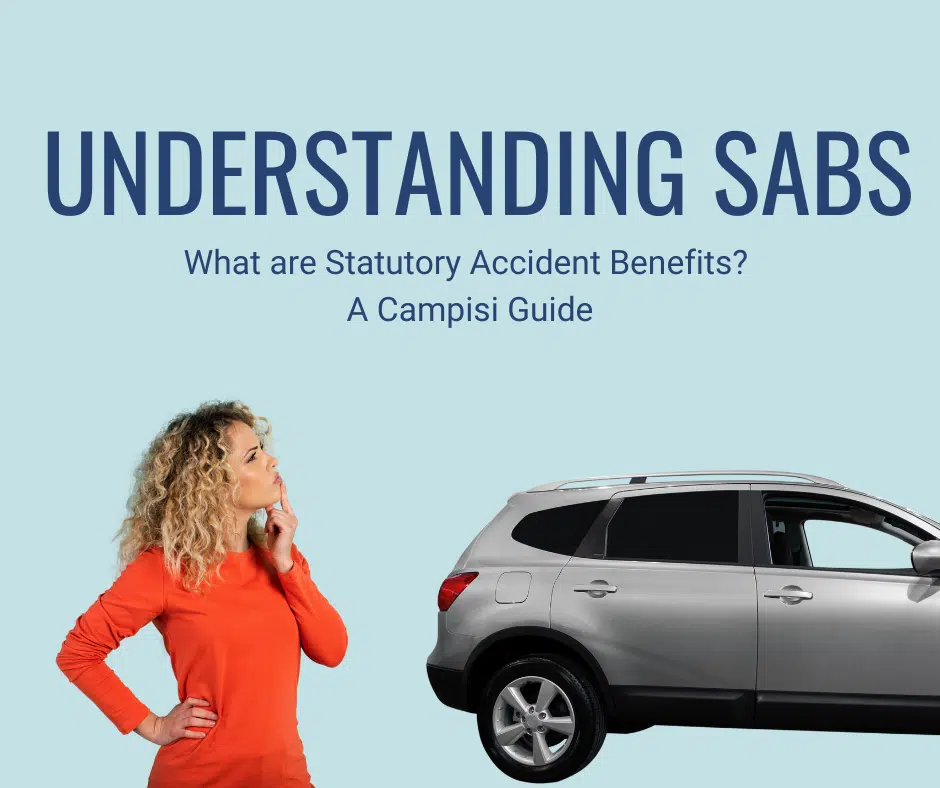
What are Statutory Accident Benefits (SABS)? A Layman’s Guide

When you’re involved in a motor vehicle accident in Ontario, it’s crucial to be aware of your rights and the support available to you. Accident Benefits under the Statutory Accident Benefits Schedule (SABS) are a set of insurance benefits designed to provide financial and medical assistance to individuals injured in auto accidents. In this article, Campisi will explain the SABS in layman’s terms, explaining what it is, what it covers, explain minor injury guidelines, Examinations Under Oath, catastrophic impairment, optional benefits, and how to apply for Accident Benefits.

Read More about What are Statutory Accident Benefits (SABS)? A Layman’s Guide

Brain Injury Awareness Month: A Vital Cause for Campisi

Brain Injury Awareness Month aims to shed light on the significance of brain injuries and promote education, prevention, and support. This annual initiative provides an opportunity for individuals, organizations, and communities to come together, raising awareness about the far-reaching impact of brain injuries and advocating for better resources and understanding. 

Read More about Brain Injury Awareness Month: A Vital Cause for Campisi

The Importance of Understanding the Potential Health Impacts of a TBI Injury

When you have suffered a traumatic brain injury (TBI) in a car accident, it is often difficult to identify the full impact it will have on your long-term functional recovery. Symptoms and deficits can continue to manifest or evolve for months after the collision or might remain undetected until you attempt to resume work or other activities. Because mild TBIs (often called concussions) can occur without obvious or direct head trauma, and the resulting impairments are often more subtle, they are particularly challenging to diagnose and treat promptly. Without an accurate understanding of the nature and extent of your brain injury impairments, your treatment providers cannot effectively manage your rehabilitation for optimal recovery. Regardless of the severity of the initial injury, the devastating effects of a TBI can be long-lasting or permanent, especially if left untreated. The following outline will help you understand the potential scope of the impairments you could experience after a TBI, so that you can report new or changing symptoms and raise concerns with your treating professionals. 

Read More about The Importance of Understanding the Potential Health Impacts of a TBI Injury

SPECT Scan as Evidence for Mild TBI Ruling

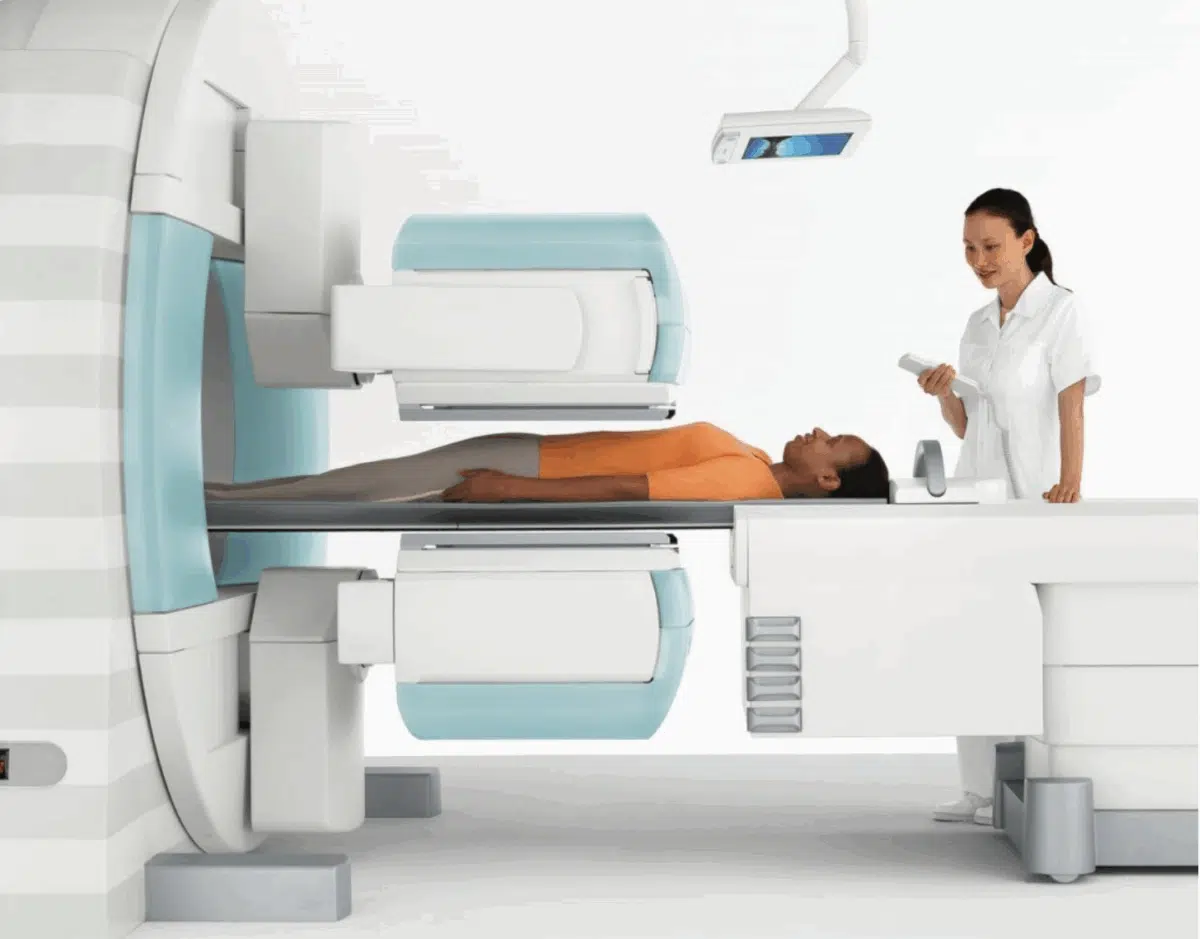
Accident victims who suffer catastrophic impairments can access greatly enhanced accident benefits funding, which in turn promotes higher value claims settlements. To be deemed catastrophically impaired under the criteria set out in the Statutory Accident Benefits Schedule (SABS), an accident victim with a Traumatic Brain Injury (TBI) requires objective evidence of the injury on diagnostic imaging, supported by expert medical opinions. This presents a challenge when the initial trauma results in a mild TBI (or concussion), because these injuries do not usually show up on standard imaging technology (x-ray, CT and MRI). Recently, however, scans taken with a newer technology called single-photon emission computerized tomography (SPECT) have been accepted by Ontario courts as an evidentiary tool for demonstrating mild TBI, although its use has been controversial.

Read More about SPECT Scan as Evidence for Mild TBI Ruling

Determining Catastrophic Impairment for Spinal Cord Injury Victims

Spinal cord injuries are among the most serious a person can suffer in a car accident and can cause life-altering impairments including paraplegia or tetraplegia. The victim receives extensive treatment, attendant care and other assistance during their recovery. Despite this assistance, however, many will experience permanent functional losses requiring ongoing support. In complex cases like these, the victim’s standard insurance coverage is usually inadequate and runs out early in their recovery. The auto insurer will only continue to provide funding if the victim’s spinal cord injury qualifies as a catastrophic impairment according to the criteria set out in the Statutory Accident Benefits Schedule (SABS). 

Read More about Determining Catastrophic Impairment for Spinal Cord Injury Victims