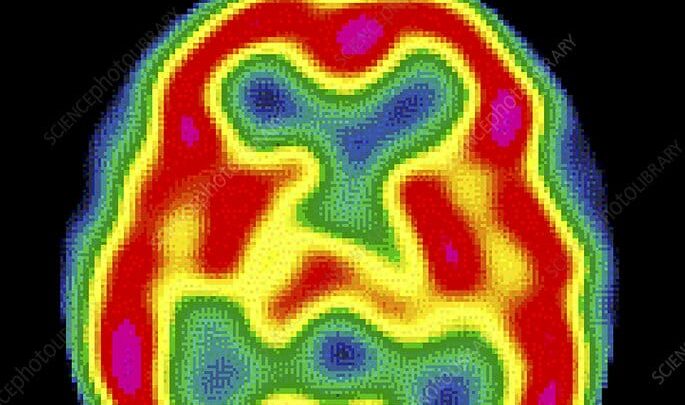
SPECT as objective evidence in support of mTBI

Recently, the Licence Appeal Tribunal (LAT) released Panchoo v. Aviva, (2023 CanLII 87390), another decision in the recent line considering the applicability of Single Photon Emission Computerized Tomography (SPECT) imaging in the diagnosis of post-concussion syndrome or mild traumatic brain injury (mTBI). In it, the claimant, Mr. Panchoo, sought payment of a series of treatment plans that were denied by Aviva, his accident benefits insurer, on the basis that they were not reasonably necessary. These plans included continuing chiropractic care, psychological counselling, cognitive rehabilitation, and funding for an incurred neuropsychology assessments. Aviva denied the plans based on earlier insurance medical examinations from its neurologist and neuropsychologist that found no objective evidence of a neurological, cognitive, or psychological condition. Based on these opinions, Aviva decided that further treatment was unnecessary, despite the claimant’s ongoing cognitive, psychological, and physical struggles.
Read More about SPECT as objective evidence in support of mTBI