Brain Injury Awareness Month 2026: Recovery, Reality, and Recognition
A Commitment Beyond Awareness: Standing with Brain Injury Canada
June marks Brain Injury Awareness Month 2026, a time dedicated not only to recognition but to meaningful action. At Campisi Law, we stand in solidarity with survivors, families, caregivers, and advocates across Canada in partnership with Brain Injury Canada to amplify a message that extends far beyond statistics: brain injury is a life-altering experience that demands understanding, compassion, and sustained support.
Through the 2026 campaign theme, Recovery. Reality. Recognition., we are reminded that brain injury is not a single moment in time, but a lifelong journey that affects every aspect of human experience.
Understanding the Purpose of Brain Injury Awareness Month
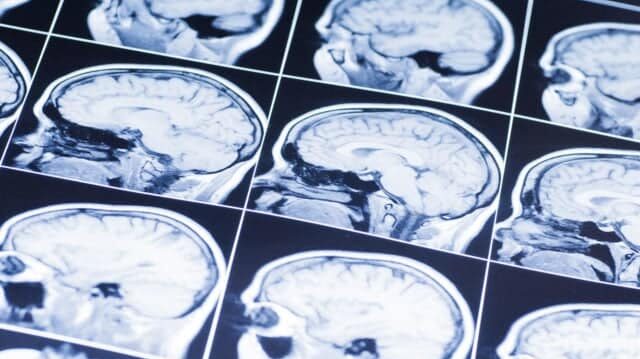
Brain Injury Awareness Month exists because brain injuries are often misunderstood. Unlike a broken arm or a visible wound, many brain injuries leave no obvious physical signs. A person may look completely fine on the outside while struggling with memory loss, fatigue, concentration difficulties, emotional regulation challenges, anxiety, or depression every day. These invisible symptoms can make it difficult for survivors to receive understanding from employers, friends, colleagues, and even family members.
Across Canada, organizations spend the month of June educating the public about the prevalence of brain injury and the barriers survivors face throughout recovery. The goal is not simply to increase awareness but to create lasting change. Brain Injury Canada emphasizes that awareness must lead to improved support systems, stronger advocacy efforts, and greater recognition of the realities experienced by survivors and their families.
This awareness is particularly important because brain injury affects every aspect of a person’s life. It can impact employment, education, relationships, financial stability, mental health, and overall quality of life. When communities understand these challenges, they become better equipped to provide meaningful support and create environments where survivors can thrive rather than merely survive.
The Role of Families, Caregivers, and Communities
Brain injury does not affect individuals alone, it affects entire support systems. Families often become primary caregivers overnight, navigating unfamiliar medical systems, emotional stress, and financial pressure. Caregivers may experience burnout, emotional fatigue, and uncertainty about the future.
Communities play a vital role in shaping recovery outcomes. Supportive environments can:
- Reduce isolation for survivors
- Improve emotional well-being
- Encourage rehabilitation progress
- Foster inclusion and dignity
Without strong community understanding, survivors may feel excluded or forgotten. With it, they gain hope, stability, and motivation to continue rebuilding their lives.
Why Campisi Law Supports Brain Injury Canada
At Campisi Law, advocacy extends beyond the courtroom. Supporting Brain Injury Canada’s Recovery. Reality. Recognition. campaign reflects a commitment to education, awareness, and meaningful support for survivors and their families.
This partnership helps amplify survivor voices, promote public education, encourage community engagement, and strengthen access to resources. By supporting national awareness initiatives, organizations can contribute to a future where brain injury is better understood and where survivors receive the support they need to rebuild their lives.
Awareness alone is not enough. Real change happens when awareness leads to action. Every conversation, every shared story, every educational resource, and every act of support helps create a more inclusive and informed society. We are proud to contribute to the Recovery • Reality • Recognition campaign and help ensure that brain injury remains a national priority not just in June, but throughout the year.
Why Legal Advocacy Matters in Brain Injury Recovery
At Campisi Law, we believe that legal advocacy is an essential part of recovery support. After a brain injury caused by an accident, survivors and families often face complex challenges including:
- Insurance disputes and claim processes
- Loss of income or employment instability
- Long-term medical expenses
- Access to rehabilitation services
- Disability and compensation rights
Legal support ensures that survivors are not left alone to navigate these systems. Advocacy provides structure, clarity, and protection during one of life’s most vulnerable periods.
Our role extends beyond legal representation, we support individuals in accessing the resources they need to rebuild stability and dignity.
To support Brain Injury Canada’s national campaign and donate, visit:
Brain Injury Canada Campaign Donation
Every contribution helps strengthen programs that directly support survivors and families across Canada.
Conclusion
Brain Injury Awareness Month is about more than awareness. It is about people.
It is about the survivor learning to navigate a new reality. It is about the caregiver offering unwavering support through difficult days. It is about healthcare professionals, advocates, families, and communities working together to create a future where no one faces brain injury alone.
The theme Recovery. Reality. Recognition. reminds us that healing is not always visible, recovery is rarely linear, and every story deserves to be heard. Behind every statistic is a human being with hopes, challenges, and a future worth supporting.
As we recognize Brain Injury Awareness Month 2026, let us move beyond the numbers and into the human story. Let us listen, learn, advocate, and act. Because meaningful change begins when awareness becomes understanding, and understanding becomes support.