Ontario Researchers Develop Concussion Blood Test

THE POST-ACCIDENT CONCUSSION DILEMMA
Read More about Ontario Researchers Develop Concussion Blood Test

THE POST-ACCIDENT CONCUSSION DILEMMA
Read More about Ontario Researchers Develop Concussion Blood Test
This motion in Maria-Antony v. Ivaschenko, 2019 ONSC 4731 was brought by the defendants for leave to conduct a second psychiatric assessment of the plaintiff, Bridget Maria-Antony, who had been injured in two car accidents in 2009 and 2010. The moving defendants were involved in the second accident.
In F.D. and Allstate Canada, a recent decision of the Licence Appeal Tribunal (LAT) before Adjudicator Daoud, causation was again a central issue in a claim for determination of catastrophic impairment (catastrophic). The claimant, F.D. had been rear-ended on August 6, 2014. She suffered extensive soft-tissue injuries, with post-concussion symptoms, anxiety and depression. She sought treatment for ongoing pain and functional limitations, as well as increasing cognitive dysfunction and psychological impairment. Her insurer, Allstate, paid her accident benefits claims up to the non-catastrophic limits then denied further funding. Mediation failed to resolve the issue between the parties, which led to the present hearing.
At the hearing, the sole issue was whether F.D. had suffered a catastrophic impairment from a Mental and Behavioral Disorder (MBD) as a result of the collision. A catastrophic determination would entitle her to enhanced benefits under the Statutory Accident Benefits Schedule (SABS).
Read More about ACCIDENT BENEFITS UPDATE- LAT CONSIDERS CAUSATION IN CAT CLAIM
One of the most controversial (and potentially unconstitutional) aspects of the Ontario government’s 2019 budget released on April 11, is the proposed repeal of the Proceedings Against the Crown Act. This Act has been in force for 56 years and establishes the framework for citizens to sue the government. In its place, the Ford Conservatives will enact the Crown Liability and Proceedings Act. The proposed Act will severely limit the circumstances under which a plaintiff can pursue a lawsuit against the government whileintroducing significant additional procedural hurdles. Provided that the government is deemed to have acted in “good faith”, the proposed Act bars any cause of action for:
Read More about 2019 Budget Scandal! Ontario Government to Repeal Proceedings Against the Crown Act
As the COVID-19 crisis continues with no end in sight, many of you will face economic hardship and other obstacles that interfere with the well-being of you and your families. We have prepared this compilation of many the most impactful government relief measure that may be available for you in this time of uncertainty. It is based on our best current information and hopefully will answer some of your questions and offer guidance for further investigation into the benefits available. We will continue to monitor the news for updated information and will try to communicate any important updates promptly. We recommend that you confirm the current status of the measures we describe and review the websites for any other potential sources of assistance the government agencies might offer. As always, we hope that you and your loved ones are safe and are here for you if you have questions or concerns.
Read More about COVID-19 – Canadian Emergency Response Benefit
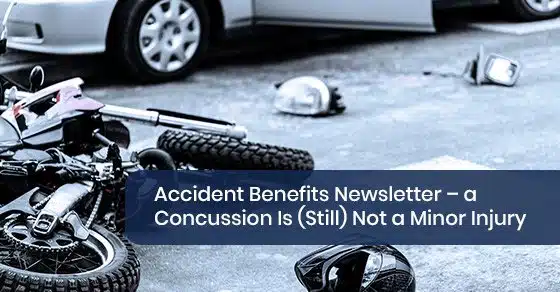
It is generally acknowledged that the Minor Injury Guideline (MIG) does not extend to traumatic brain Injuries (TBIs), regardless of the degree of initial severity. Any brain injury from mild to severe is equally outside the ambit of the MIG. It is also acknowledged that a concussion and Post-Concussion Syndrome (PCS) qualify as mild TBIs. Despite these acknowledgements however, Accident Benefits insurers continue to fight tooth and nail to keep concussion victims in the MIG.
Read More about Accident Benefits Newsletter – a Concussion Is (Still) Not a Minor Injury
One of the challenges we face as Canadian personal injury lawyers arises from the differences between Canadian and American approaches to damages. Our clients hear about massive personal injury awards (the $1.3 Million “spilled coffee” cases etc.), then are frustrated or suspicious by the relatively modest damages available in a Canadian case.
Read More about Personal Injury News: US Jury Awards $1 Billion! Can It Happen In Canada?!
On September 27, 2012, the Ontario Court of Appeal released its landmark decision in Pastore vAviva. Mrs. Pastore was successfully represented by Joseph Campisi, the founding partner of Campisi Law. It was a long and challenging fight over several years and multiple appeals. The stakes were very high for the insurance industry, and Aviva did not want to lose.
When you or someone you care for is involved in an accident, your world can be turned upside-down. It’s difficult to know what to do next or how to help matters. Even if you are a nurse or doctor, focused on one aspect of your patient’s return to health, you may wonder where to direct families for other pressing needs.
Read More about The Personal Injury Resource Guide | Campisi Law
The Licence Appeal Tribunal (LAT), and its prejudicial impact on the health and well-being of motor vehicle injury victims across Ontario, is now firmly entrenched.
Read More about The Licence Appeal Tribunal and Its Impact on Vehicle Injury Victims